Chlorinated Polyethylene CPE 135A
CPE 135A is a chlorinated polyethylene impact modifier offered for rigid PVC formulations. It is used in products such as pipes, fittings, profiles and sheets. Select the use level through compound testing to balance impact performance, processing and finished-product cost.
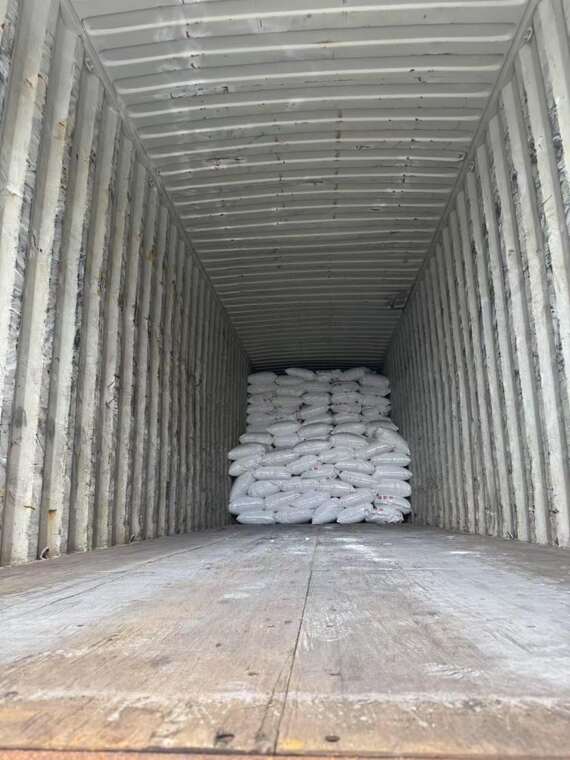 Representative supplier catalog image
Application areas
- Rigid PVC pipes
- Pipe fittings
- PVC profiles
- PVC sheets
Key specifications
| Chlorine content | 35±2% |
|---|---|
| Volatile matter | ≤1.0% |
| Bulk density | ≥0.48 g/cm³ |
| Thermal decomposition temperature | ≥165°C |
Values shown are catalog specifications. Final grade, test method, packing and acceptance criteria are confirmed in the quotation and supply documents.
What to check before ordering
- Confirm the required impact level for pipes, fittings, profiles or sheets.
- Compare chlorine, volatile and bulk-density limits with the current specification.
- Request the current batch COA and validate the use level in your PVC compound.
The values above are catalog information. Confirm the producing factory, current technical data sheet, batch certificate, sample results, price, lead time, packing and contractual acceptance criteria in writing before payment.
CPE 135A for rigid PVC: buyer questions
Is CPE 135A suitable for rubber cable sheaths?
This page describes the rigid-PVC impact-modifier application; review CPE 135B for rubber compounds.
Does catalog chlorine content prove impact strength?
No. Test the finished PVC formulation against your required impact method.
Related grades and materials
Send the details that affect product selection.
ApplicationFinished product and processing method
02SpecificationRequired limits or current grade
03CommercialQuantity, packing and destination port
How to compare CPE 135A for rigid PVC.
The CPE 135A catalog lists chlorine content at 35±2%, volatile matter at 1.0% maximum, bulk density at 0.48 g/cm³ minimum and thermal decomposition temperature at 165°C minimum. Request the current TDS and a batch COA before treating these catalog limits as an order specification.
Evaluate the proposed grade in the actual pipe, fitting, profile or sheet formulation. Record the starting dosage, extrusion conditions and required impact test; compare finished-product results with the current material. This page covers rigid-PVC use, while CPE 135B has a separate rubber-compound application page.
Tell us the product, grade and destination.
Include the application, current grade or technical requirements, order quantity, packing and destination port. We will reply with suitable options and the information needed for a firm quotation.